
Introduction: Why Every Parent Can Be Their Child’s First Music Teacher
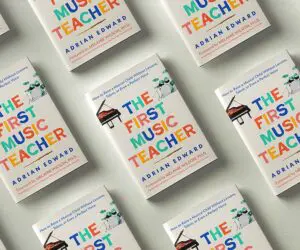
As the creator of Color Me Mozart, a 2-year homeschool music curriculum rooted in neuroscience for ages 3–6, I’ve seen firsthand how simple, joyful music experiences at home transform young minds. That’s why I wrote The First Music Teacher: to demystify early music education, share real stories from families like yours, and show how everyday songs, rhythms, and play can supercharge brain development in children.
Whether you’re homeschooling, supplementing school, or just wanting more music in your home, this book is your guide to making those first musical moments count.
The Neuroscience of Music: How Early Exposure Rewires the Young Brain
Neuroscience research reveals that music isn’t just fun—it’s one of the most powerful tools for brain development in early childhood.Studies from institutions like USC’s Brain and Creativity Institute show that children engaged in music training develop faster in key brain areas responsible for:
- Language processing and reading skills
- Executive functions (focus, impulse control, decision-making)
- Memory and pattern recognition
- Emotional regulation and social connection
For example, musical activities accelerate maturation of the auditory pathway, boosting neuroplasticity—the brain’s ability to form new connections. Early exposure (especially before age 7) strengthens the corpus callosum (bridging brain hemispheres) and enhances prefrontal cortex activity for better reasoning and attention.
Even passive listening or simple sing-alongs lights up multiple brain regions at once: auditory, motor, emotional, and cognitive. Rhythm builds motor coordination; melody sharpens sound discrimination (key for speech and literacy); and shared music fosters bonding and emotional intelligence.
The takeaway? Those “imperfect” home music moments, clapping to a favorite song, dancing to rhythms, or exploring simple instruments aren’t just play. They’re wiring stronger, more resilient brains.
Why Parents Hesitate and Why You Don’t Need to Be “Musical” to Start
Many parents tell me: “I’m not musical,” “I can’t carry a tune,” or “What if I do it wrong?” These fears keep music out of homes when it’s needed most.The First Music Teacher addresses this head-on. No perfect pitch or formal training required. The book emphasizes:
- Willingness over expertise
- Joy over perfection
- Consistency over complexity
Drawing from neuroscience and real family experiences (including those using Color Me Mozart), it shows how everyday interactions become powerful homeschool music activities for kids.
Inside The First Music Teacher: What You’ll Find
This isn’t a dense textbook, it’s an encouraging, practical companion for busy parents and new educators.Key highlights include:
- Real Stories & Reflections — Honest accounts of “first lessons” that went hilariously wrong… and beautifully right.
- Neuroscience Made Simple — Easy explanations of how music boosts language, focus, creativity, and emotional health, with references to landmark studies.
- Quick-Win Ideas — Age-appropriate activities for ages 3–6: rhythm games, song adaptations, movement explorations, and instrument play using household items.
- Overcoming Doubts — Tips to build confidence, handle “mistakes,” and create a music-rich home environment.
- Long-Term Benefits — How early music sets kids up for academic success, better social skills, and lifelong love of learning.
Whether you’re new to homeschooling or adding music to your routine, these tools make it approachable and fun.
How This Fits Into Your Homeschool Music Curriculum
Color Me Mozart’s full 2-year program pairs perfectly with the book, offering structured weekly lessons. But even standalone, The First Music Teacher gives you a strong foundation to weave music into daily life.
Ready to Become Your Child’s First Music Teacher?
Comment below: What’s one song or activity your little one loves? Or who was your first music teacher? Share and tag a fellow homeschool parent, we’re all in this together!