5 Easy Ways to Make Music Time Fun in Your Homeschool Music Time (No Talent Needed)
Music is one of the most joyful and brain-boosting parts of early childhood, it supports language development, focus, coordination, and even emotional regulation. But many homeschool parents hesitate because they think, “I’m not musical” or “I don’t know where to start.” The great news? You don’t need to play an instrument, read sheet music, or have perfect pitch. You just need a few simple, playful ways to bring music into your day and homeschool music time that feels like fun rather than a lesson.
Here are five easy, zero-pressure ideas that work beautifully with preschoolers and early elementary kids (ages 3–6).
1. Start with short daily rhythm games
Rhythm is the heartbeat of music, and kids love it before they even understand notes. Try 2–5 minutes of clapping patterns to a favorite song (“If You’re Happy and You Know It” works great). Start simple: clap-clap-pause, clap-clap-pause. Let your child copy you, then switch roles so they lead. No instruments needed — just hands! Over time, this builds listening skills and a natural sense of beat.
Rhythm is the heartbeat of music, and kids love it before they even understand notes. Try 2–5 minutes of clapping patterns to a favorite song (“If You’re Happy and You Know It” works great). Start simple: clap-clap-pause, clap-clap-pause. Let your child copy you, then switch roles so they lead. No instruments needed — just hands! Over time, this builds listening skills and a natural sense of beat.
2. Turn household items into instruments
You already have a full percussion section in your kitchen: wooden spoons, pots, plastic bowls, empty water bottles filled with beans or rice. Set a timer for 5 minutes and have a “kitchen band” jam session. Shake, tap, bang, whatever feels exciting. Encourage your child to match rhythms to a song playing on your phone or speaker. This kind of free play helps develop fine motor skills and creativity without any “right” way to do it.
You already have a full percussion section in your kitchen: wooden spoons, pots, plastic bowls, empty water bottles filled with beans or rice. Set a timer for 5 minutes and have a “kitchen band” jam session. Shake, tap, bang, whatever feels exciting. Encourage your child to match rhythms to a song playing on your phone or speaker. This kind of free play helps develop fine motor skills and creativity without any “right” way to do it.
3. Add music to everyday transitions
Singing turns boring routines into mini celebrations. Create clean-up songs (“Clean up, clean up, everybody do your share”), morning greeting tunes, or bedtime wind-down melodies. Use familiar melodies like “Twinkle Twinkle” and change the words. Kids quickly join in, and the repetition reinforces memory and sequencing — all disguised as fun.
Singing turns boring routines into mini celebrations. Create clean-up songs (“Clean up, clean up, everybody do your share”), morning greeting tunes, or bedtime wind-down melodies. Use familiar melodies like “Twinkle Twinkle” and change the words. Kids quickly join in, and the repetition reinforces memory and sequencing — all disguised as fun.
4. Explore color-based note learning tools
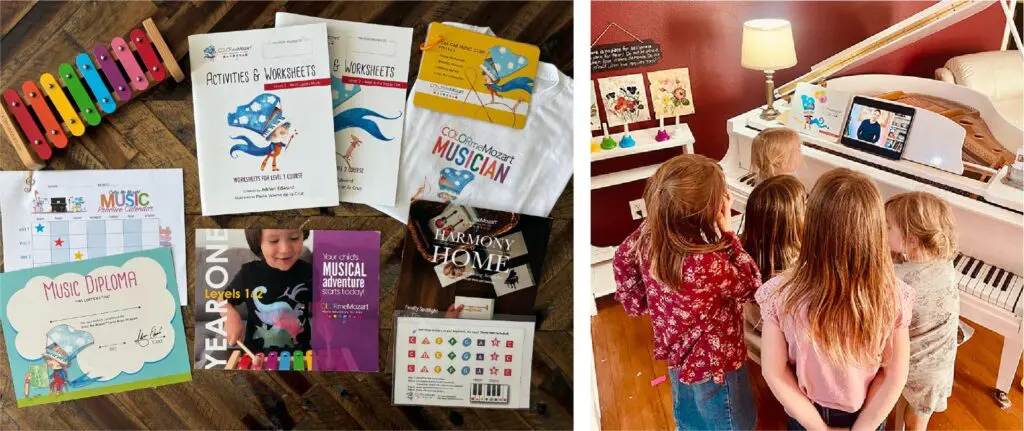
If you want to gently introduce actual music reading without overwhelming anyone, look for programs that remove the intimidation factor. Color Me Mozart, for example, uses shapes and colors to teach note reading and basic playing in a way that feels like coloring or matching games rather than “lessons.” The short video-guided activities (15–20 minutes) are perfect for young attention spans, and parents with zero music background can facilitate them easily. It’s one of the few approaches that makes real music literacy feel playful instead of academic.
If you want to gently introduce actual music reading without overwhelming anyone, look for programs that remove the intimidation factor. Color Me Mozart, for example, uses shapes and colors to teach note reading and basic playing in a way that feels like coloring or matching games rather than “lessons.” The short video-guided activities (15–20 minutes) are perfect for young attention spans, and parents with zero music background can facilitate them easily. It’s one of the few approaches that makes real music literacy feel playful instead of academic.
5. Let your child lead the music
Follow their interests rather than forcing a curriculum. If they love animals, sing animal songs or make up silly lyrics about cats and dogs. If they’re obsessed with trucks, create rhythms that sound like engines. When children choose the theme, engagement skyrockets — and you’ll be surprised how naturally they start experimenting with pitch, volume, and tempo on their own.
Follow their interests rather than forcing a curriculum. If they love animals, sing animal songs or make up silly lyrics about cats and dogs. If they’re obsessed with trucks, create rhythms that sound like engines. When children choose the theme, engagement skyrockets — and you’ll be surprised how naturally they start experimenting with pitch, volume, and tempo on their own.
The key is consistency and joy — not perfection
You don’t need fancy equipment, a degree in music, or hours of prep. Just 10–20 minutes a day of playful music exposure can create lifelong benefits. Start small, keep it light, and watch your child light up when they realize they’re making “real” music.
If you’re looking for a structured yet super-fun way to take those early music moments further, our Level 1 homeschool music curriculum set is designed exactly for beginners ages 3–6 with no parent experience required. You can also jump straight into the full Year One Homeschool Music bundle if you want the complete first-year experience with videos and materials included.What’s your favorite easy music activity at home?
Drop it in the comments, we’d love to hear!
New Homeschool Music Book!
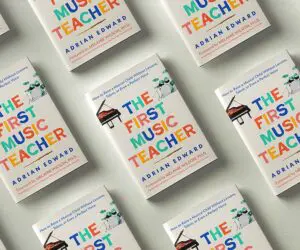
I am happy to announce that I have written a new book tab I really believe will show you just how important early music education truly is. The best part is that I use neuroscience backed examples to prove that our brains are perfectly suited to start music in the earliest years. As a parent, you don’t have to worry if you’ve never had a music lesson in your life, you can and will be your child’s best first music teacher.
The First Music Teacher: How to Raise a Musical Child Without Lessons, Talent, or Even a Perfect Voice